Grid-Tied vs Off-Grid Solar Battery Systems: Which Setup Fits Your Home?
In this article
Choosing between grid-tied vs off-grid solar battery systems changes how your home uses power, how many solar panels you need, how large your solar battery bank must be, and what your costs look like. This guide explains the key differences, how to size and choose a solar battery bank, and whether you can run a house on solar and batteries only.
How Grid-Tied and Off-Grid Solar Battery Systems Work
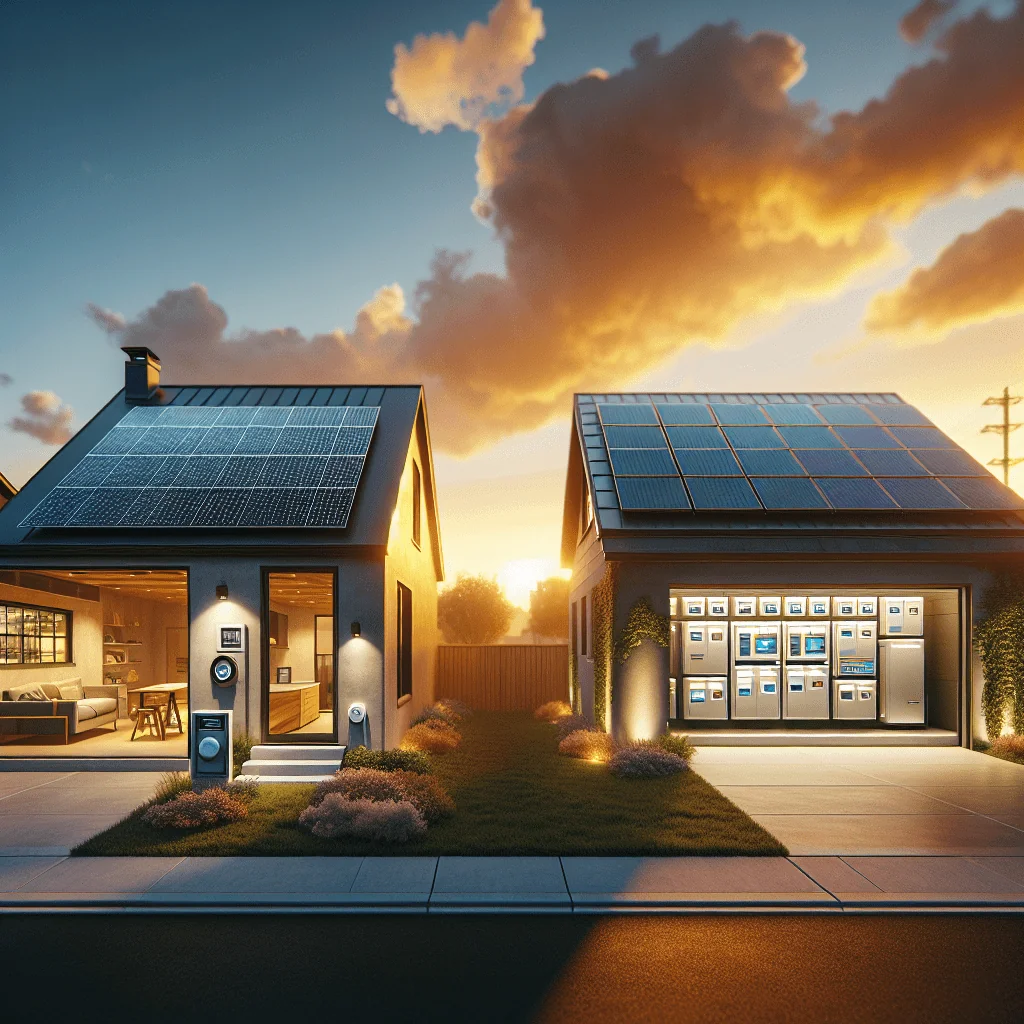
A grid-tied solar battery system connects your solar panels and batteries to the public grid. You can export extra power to the grid and import power when your solar or batteries are not enough. The battery mainly covers peak times or short outages.
An off-grid solar battery system has no connection to the grid. Solar panels and batteries must cover all your energy needs, day and night, in all seasons. Many off-grid homes also use a backup generator for long cloudy periods or very high loads.
Hybrid systems sit between the two. They stay grid-connected but can run like an off-grid system during outages. Hybrid inverters manage solar, grid, and battery flows in one unit, which is different from a standard grid-tied solar inverter that only handles solar and grid power without storage control.
Key Differences: Grid-Tied vs Off-Grid Solar Battery Systems
The table below compares grid-tied vs off-grid solar battery systems on the points that affect most homeowners: cost, reliability, battery size, and lifestyle impact.
Comparison of grid-tied vs off-grid solar battery systems
| Factor | Grid-Tied with Batteries | Off-Grid with Batteries |
|---|---|---|
| Grid connection | Yes, uses grid as backup | No, fully independent |
| Typical battery size | Small to medium, covers hours | Large, covers days of use |
| Solar array size | Sized near daily use | Often larger to cover bad weather |
| Reliability in outages | Good if battery sized for key loads | High, if system sized and managed well |
| Lifestyle changes | Few; grid fills shortfalls | Often need energy discipline |
| Upfront cost | Lower than full off-grid | Higher, due to bigger system |
| Solar battery payback | Often tied to tariffs and outages | Compared to fuel and grid extension |
| Best for | Grid access with outages or high tariffs | Remote sites or full independence |
For most homes with easy grid access, a grid-tied or hybrid system with a modest battery gives good backup and energy savings. Off-grid systems make sense where the grid is unreliable, very expensive to connect, or where energy independence is a priority.
How Many Solar Panels Do I Need for My Home?
Whether you choose grid-tied or off-grid, you must size your solar array based on your daily energy use. Check your bills and find your average daily kilowatt-hours (kWh). For off-grid, also consider seasonal changes and extra margin for cloudy days.
To estimate panel count, divide your daily kWh by the average sun hours per day, then divide by the panel wattage. For example, a 5 kWh per day home in a 5 sun-hour area with 400 W panels might need around 3–4 panels for basic coverage, but real designs add losses, shading, and future growth.
Off-grid homes often need more panels than grid-tied homes with the same usage, because the panels must recharge batteries and cover days when sunlight is poor. Many off-grid users also shift heavy loads, like laundry, to sunny hours to reduce battery strain.
Lithium vs Lead-Acid Batteries for Grid-Tied and Off-Grid Solar
The lithium vs lead acid battery choice affects cost, space, lifespan, and maintenance. Grid-tied systems often favor lithium because of high cycle life and better efficiency. Off-grid systems may still use lead-acid where budgets are tight or where users are comfortable with more maintenance.
Lithium batteries usually allow deeper depth of discharge, meaning you can use more of the stored energy without shortening life as much. Lead-acid batteries prefer shallower discharge and can wear quickly if regularly drained too far. For off-grid, this can mean a much larger bank if you use lead-acid.
Over many years, lithium often has a better total cost per kWh delivered, even though the upfront price is higher. For grid-tied backup with limited cycling, either chemistry can work, but for daily cycling off-grid, lithium is often the more practical long-term choice.
How to Size a Solar Battery Bank and Calculate Runtime
Sizing a solar battery bank starts with your energy needs. Decide which loads you want to power and for how long. For grid-tied backup, many people only cover essentials like lights, fridge, internet, and a few outlets. Off-grid users size for most or all loads.
First, total the wattage of the devices you want to run and estimate how many hours each will run per day. Multiply watts by hours for each device to get watt-hours, then sum to daily kWh. Decide how many days of autonomy you want, such as one or two days without sun.
To calculate solar battery runtime, divide the usable battery capacity in kWh by the load in kW. For example, a 10 kWh battery with 80% usable capacity has 8 kWh available. If your critical load is 1 kW, you get about 8 hours of runtime in theory, less after inverter losses.
Depth of Discharge, Lifespan, and Degradation
Depth of discharge in solar batteries is the percentage of stored energy you use before recharging. A 10 kWh battery discharged to 50% depth of discharge has delivered 5 kWh. Most batteries last longer if you avoid very deep cycles every day.
Lithium batteries often allow 80–90% depth of discharge in normal use, while lead-acid batteries often prefer 30–50% for long life. Exceeding recommended depth of discharge regularly speeds up solar battery lifespan loss and increases degradation. Temperature extremes also shorten life for both chemistries.
In both grid-tied and off-grid solar battery systems, planning around a moderate depth of discharge and keeping batteries cool and dry helps preserve capacity. Over time, expect gradual capacity loss, which you should factor into the original sizing.
Voltage Choices: 12V vs 24V vs 48V Solar Battery Systems
Off-grid systems and larger hybrid setups often use higher battery voltages. A 12V system suits small cabins, RVs, or simple backup. For most modern home systems, 24V or 48V is more efficient, because higher voltage means lower current for the same power, which reduces cable size and losses.
Many larger inverters and hybrid inverters are designed for 48V battery banks. This is common for whole-house backup or full off-grid homes. Grid-tied battery systems built from modular lithium units usually handle the voltage internally, but the principle is the same: higher system voltage is better for higher power.
When comparing grid-tied vs off-grid solar battery systems, off-grid designs often push you to 48V earlier, because the system must handle all loads all the time. Grid-tied backup systems that only support a sub-panel may work fine at 24V, depending on the inverter.
Solar Inverter vs Hybrid Inverter: Why It Matters
A standard solar inverter converts DC from panels to AC for the home and grid. This type fits pure grid-tied systems without batteries. If you later add a battery, you may need extra hardware or a new inverter.
A hybrid inverter can manage solar panels, batteries, and the grid in one unit. Hybrid inverters are common in grid-tied battery systems and some off-grid systems. They decide when to charge the battery, when to export to the grid, and how to power loads during an outage.
For off-grid homes, you may use an off-grid inverter and charger that works like a hybrid without any grid input. Choosing the right inverter size for a solar battery system is crucial; the inverter must handle your peak load, like pumps or air conditioners starting up.
Can I Run a House on Solar and Batteries Only?
Yes, you can run a house on solar and batteries only, but you must size the system carefully and accept some limits. Off-grid solar battery systems must cover your peak demand, your daily energy use, and your backup for poor weather. Many off-grid homes also keep a generator for long storms or winter.
For a full off-grid house, the best solar batteries for home backup will have high cycle life, good efficiency, and enough capacity for your lifestyle. You may also choose energy-efficient appliances, LED lighting, and smart usage habits to reduce battery needs.
In contrast, a grid-tied home with batteries can stay smaller and lean on the grid when needed. This often gives a better balance between comfort, cost, and resilience, especially where grid power is generally reliable.
Is Solar Battery Storage Worth It and What About Payback?
Whether solar battery storage is worth it depends on your goals. For many grid-tied homes, batteries are about backup and energy independence more than pure financial payback. The solar battery payback period can be shorter where electricity prices are high, feed-in tariffs are low, or outages are frequent.
For off-grid homes, batteries are essential. The comparison is not grid vs battery, but battery vs fuel and generator wear. Over time, a well-sized lithium bank can be cheaper and quieter than running a generator for many hours.
A simple way to think about value is cost per kWh delivered over the life of the battery. This depends on chemistry, depth of discharge, cycle life, and how often you use the battery each day.
Solar Battery Safety, Maintenance, and Common Problems
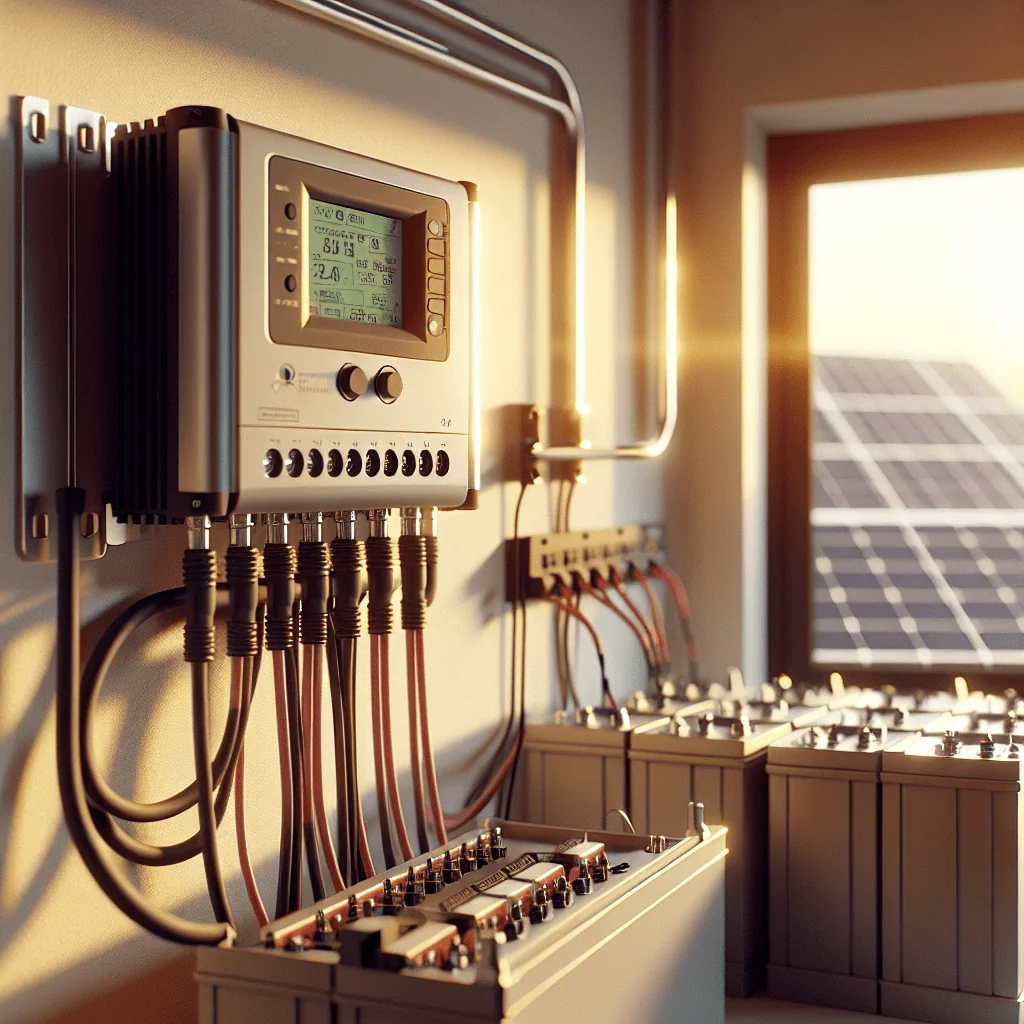
Any solar battery system, grid-tied or off-grid, must be installed and maintained safely. Good design, correct fusing, and proper ventilation reduce risks like overheating or short circuits. Lithium batteries usually include a battery management system that adds protection.
A simple solar battery maintenance checklist should cover a few recurring tasks that keep the system healthy and safe.
- Inspect cables, lugs, and breakers for tightness and signs of heat or wear.
- Keep the battery area clean, dry, and free from clutter or flammable items.
- Check state of charge regularly and confirm charge settings match the battery type.
- For lead-acid, check electrolyte levels and clean any corrosion on terminals.
- Watch for unusual smells, noise, or swelling and shut the system down if you suspect a fault.
If your solar battery is not charging fully, possible causes include shading on panels, incorrect charge settings, faulty charge controllers, weak cells, or a failing battery management system. Regular monitoring helps catch issues early and protect your investment.
Step-by-Step: Sizing and Checking an Off-Grid Solar Battery System
Many people feel unsure about how to choose an off-grid solar battery and match it with the right inverter and array. Use the steps below as a simple process for planning or checking an off-grid design.
- List all appliances you want to run and note their wattage and daily hours.
- Multiply watts by hours for each appliance and add the results to get daily kWh.
- Decide how many days of backup you want without sun, often one to three days.
- Choose a battery chemistry and target depth of discharge, such as 80% for lithium or 40% for lead-acid.
- Convert daily kWh and autonomy days into required battery kWh, then into amp-hours using the system voltage.
- Select 12V, 24V, or 48V based on total power level and inverter options.
- Pick an inverter size that covers your highest expected simultaneous load with some headroom.
- Check that your planned solar array can recharge the battery bank in a reasonable number of sun hours.
This process helps you link solar battery amp-hours to kWh, match voltage and inverter size, and confirm that the solar array and battery bank work together as a complete off-grid or hybrid system.
Portable Solar Generators vs Fixed Battery Systems
The best portable solar generator can be handy for camping, small apartments, or temporary backup. These units combine battery, inverter, and charge controller in one box, with plug-and-play solar inputs. They work well for light loads like phones, laptops, and small fridges.
A fixed solar battery system, either grid-tied or off-grid, is better for whole-house or long-term use. Fixed systems can scale up in capacity, use higher voltages, and integrate with your home wiring. They also allow more flexible choices of panels, inverters, and batteries.
For serious home backup or off-grid living, a permanent system almost always wins. Portable units are a good supplement or entry point, but they rarely replace a full home battery bank.
Choosing Between Grid-Tied and Off-Grid Solar Battery Systems
To decide between grid-tied vs off-grid solar battery systems, focus on your location, grid reliability, budget, and independence goals. Off-grid systems demand more planning, larger solar and battery banks, and more active energy management. Grid-tied systems are easier to live with but leave you partly dependent on the grid.
Before you commit, think through your daily kWh use, your critical loads, and how often outages happen. Then size your solar array, battery bank, and inverter based on those needs, whether your system stays grid-tied or goes fully off-grid.
A thoughtful design, safe installation, and realistic expectations will give you a solar and battery system that fits your life and makes good use of your investment, whichever path you choose.